The Many Faces of California
Rising to the cosmopolitan challenge, California is the future of American power.
-
![]()
Economic Superpower
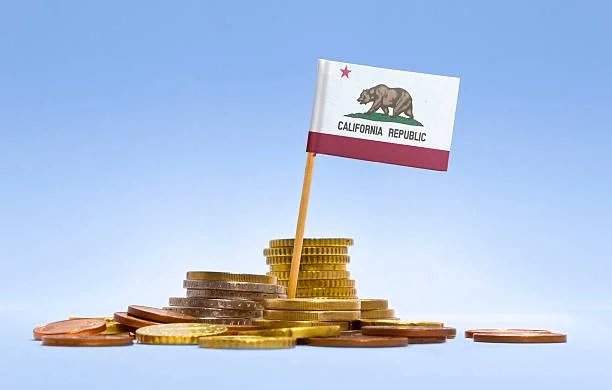
California’s economy is a global force shaped by innovation, finance, and institutional power. This chapter examines the state’s venture capital ecosystem, the rise of cryptocurrency and FinTech, and the outsized influence of CalPERS and CalSTRS as investors and market makers. Together, these forces show California not only as an economic leader, but as a preview of where global markets are headed.
-
![]()
Technological Superpower
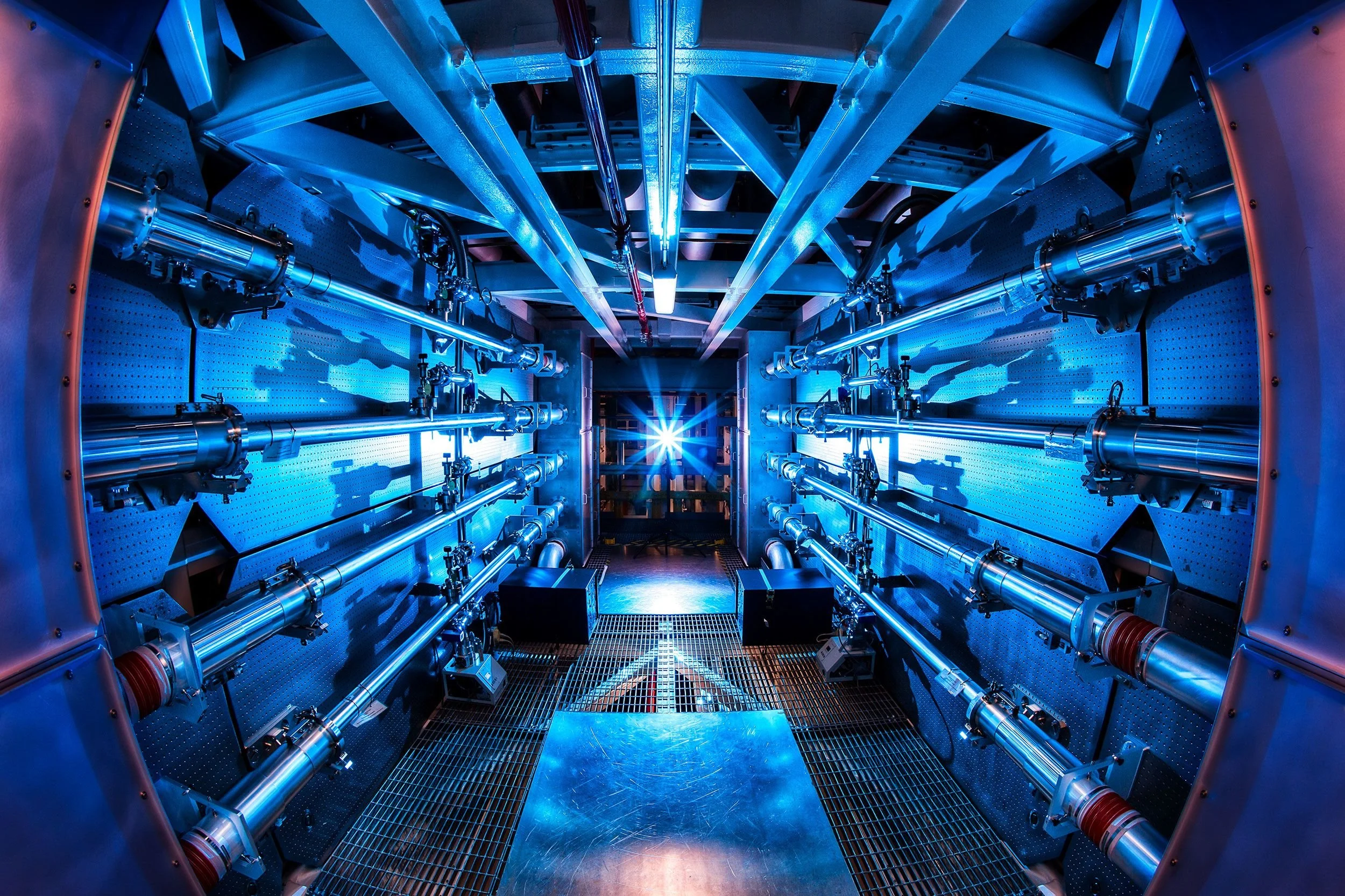
California is a technological superpower whose influence runs from artificial intelligence to biotech to electric vehicles. This chapter highlights firms such as OpenAI and Nvidia, the state’s leadership in FinTech, and breakthroughs in life sciences, from the contraceptive pill to CRISPR. With Tesla and the pursuit of quantum supremacy, California stands at the center of the industries shaping the future.
-
![]()
Trade Superpower
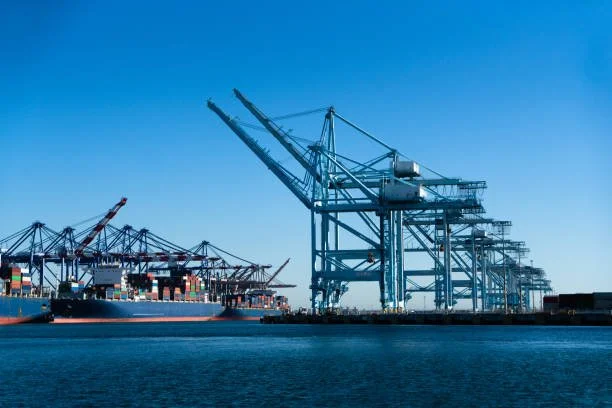
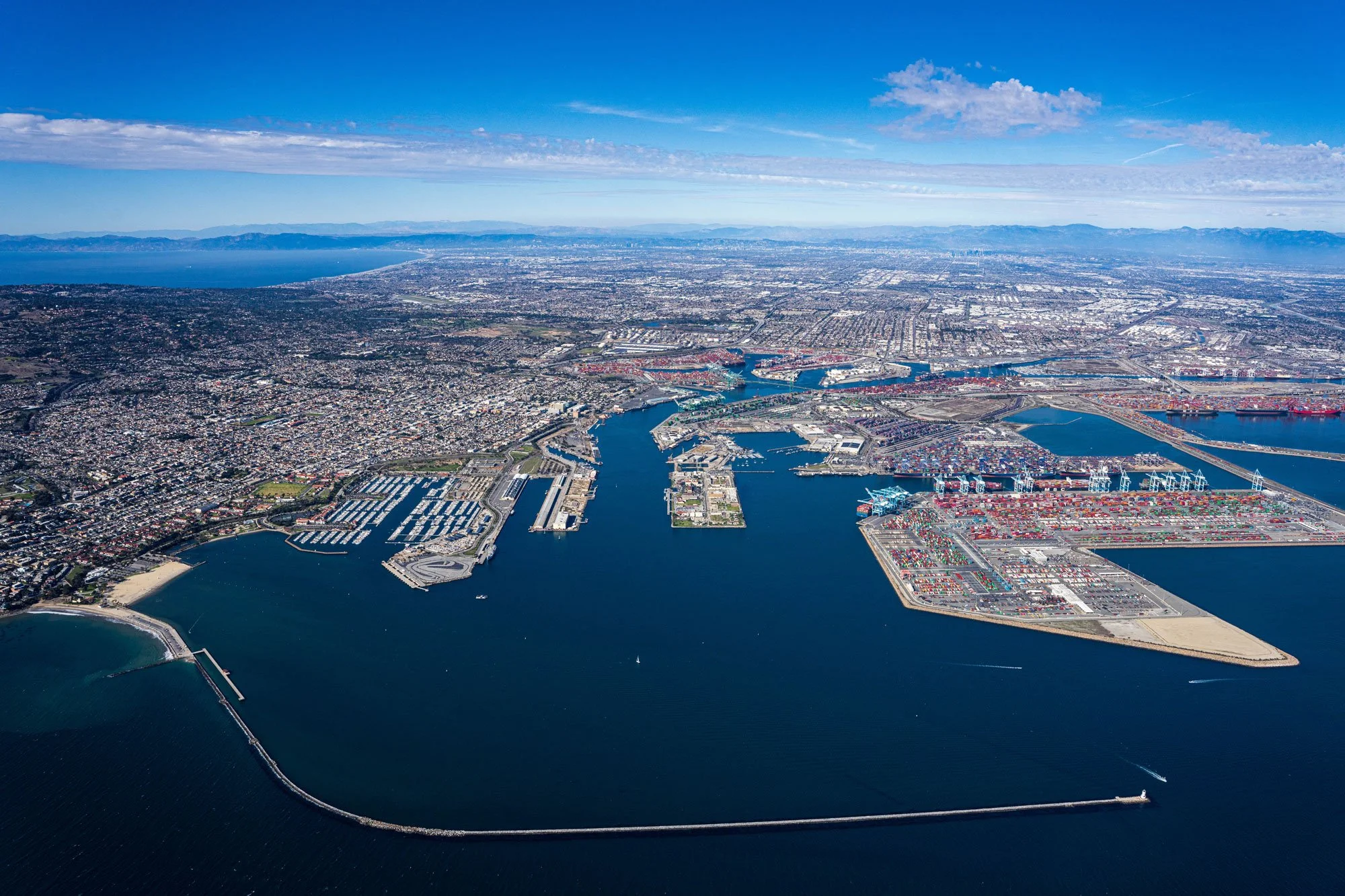
California’s global reach is anchored by its role as a trade superpower. This chapter explores the Ports of Los Angeles and Long Beach, as well as key gateways such as Hueneme and Otay Mesa, to show how goods, capital, and people move through the state. These trade networks reveal California as a critical link between the United States and the world economy.
-
![]()
Foreign Policy Superpower
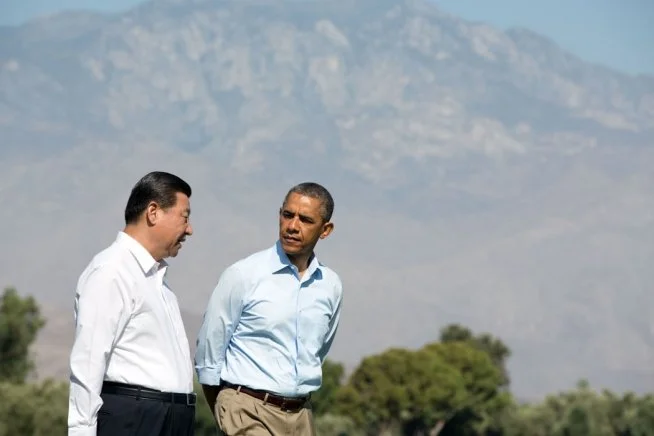
California has increasingly tried to act on the world stage, even without formal control over foreign policy. This chapter examines how the state uses MOUs, subnational diplomacy, and global partnerships to advance its interests, while also confronting the constitutional limits of that ambition. Institutions such as Hoover, RAND, and Sunnylands demonstrate that California is not just a policy actor, but also a major site of global strategy and analysis.
-
![]()
Defense Superpower
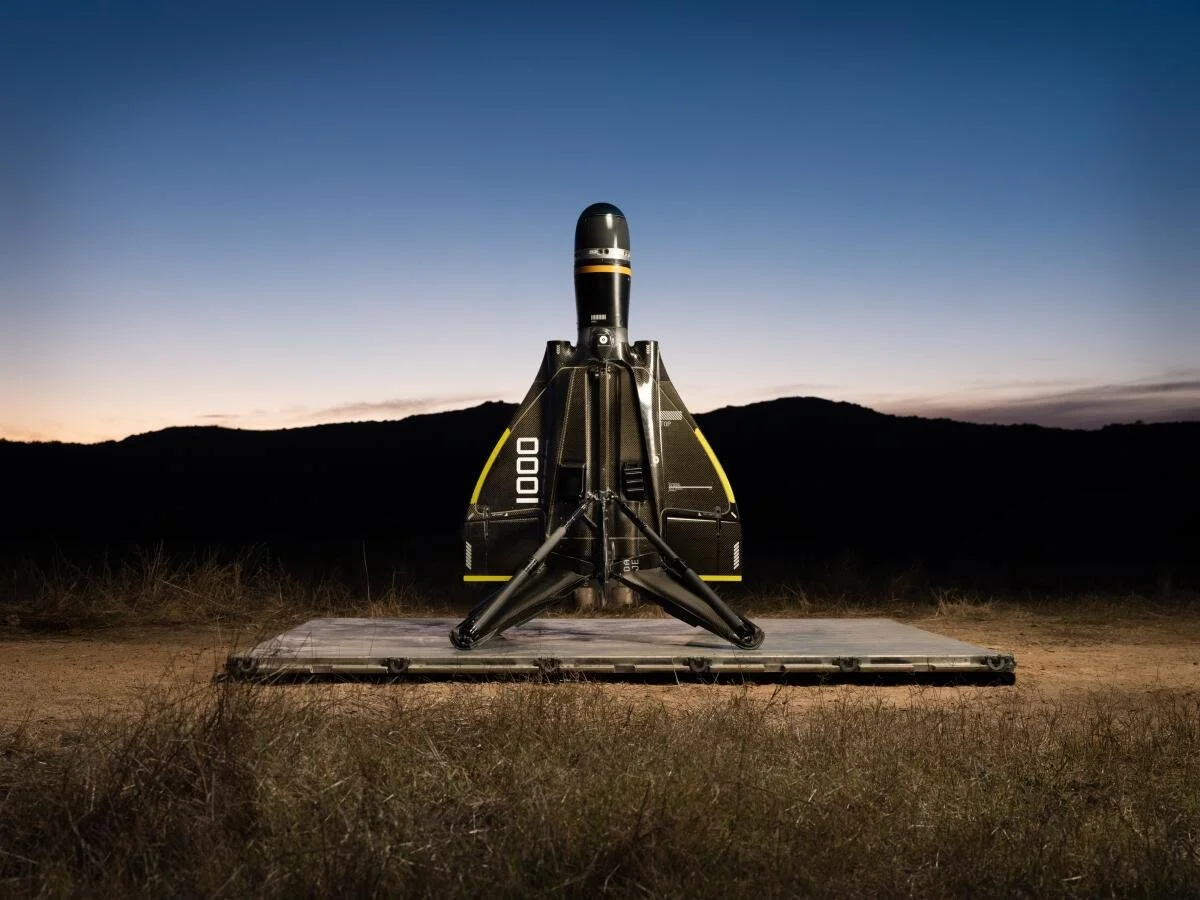
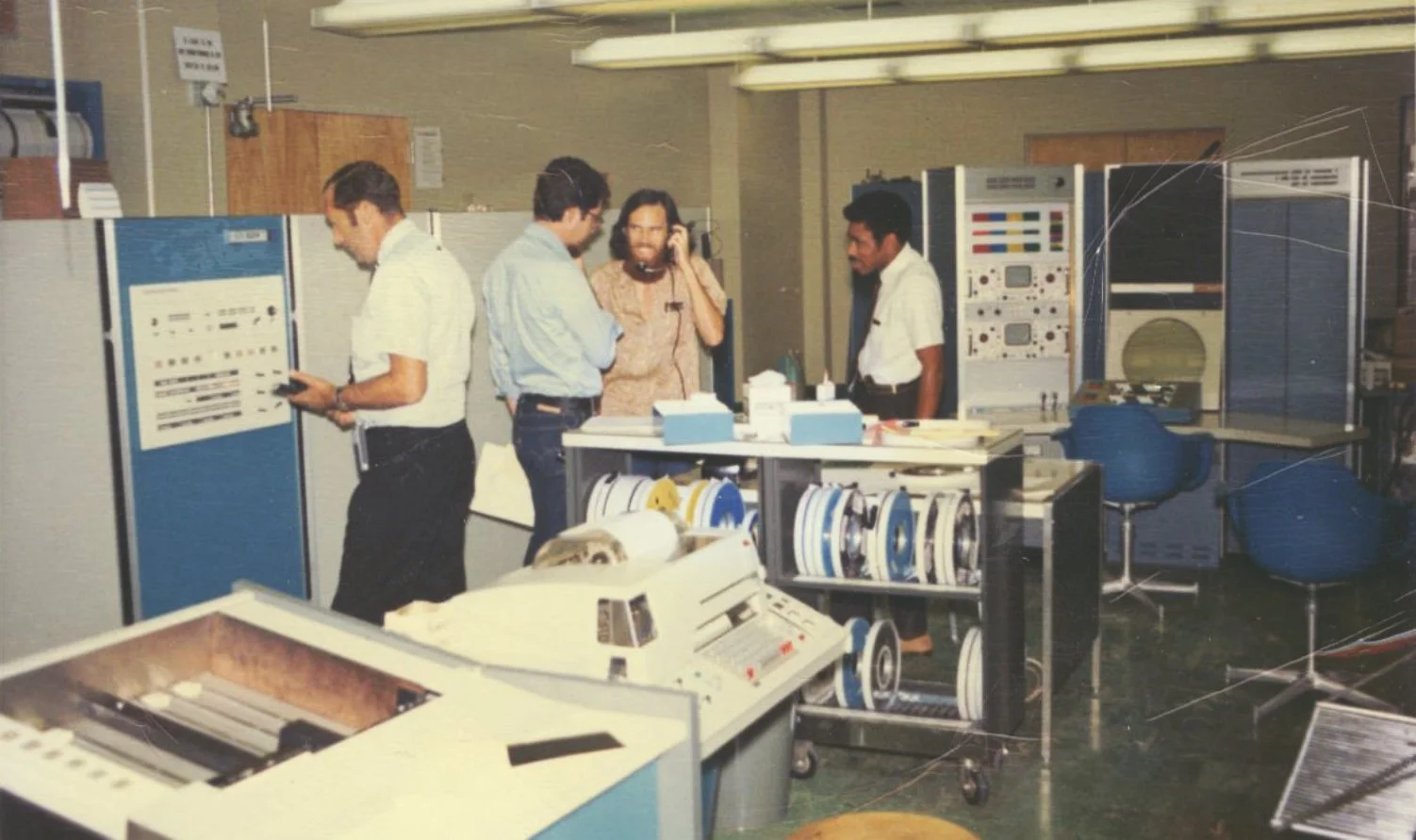
California remains a defense superpower not only because of its wartime shipyards and Cold War aerospace legacy, but because a new generation of firms are turning Southern California into a hub for autonomous systems, drones, counter-drone technology, and software-driven manufacturing, tying the reindustrialization of the American West directly to U.S. strategic competition abroad. In that sense, California is increasingly where the next arsenal of deterrence is being designed and built.
-
![]()
Cultural Superpower
California’s cultural influence is one of its greatest forms of global power. This chapter traces the reach of Hollywood, gaming, and social media platforms that have reshaped entertainment, communication, and commerce around the world. Combined with the state’s enormous tourism industry, these sectors make California a powerful exporter of images, stories, and ways of life.
-
![]()
Educational Superpower
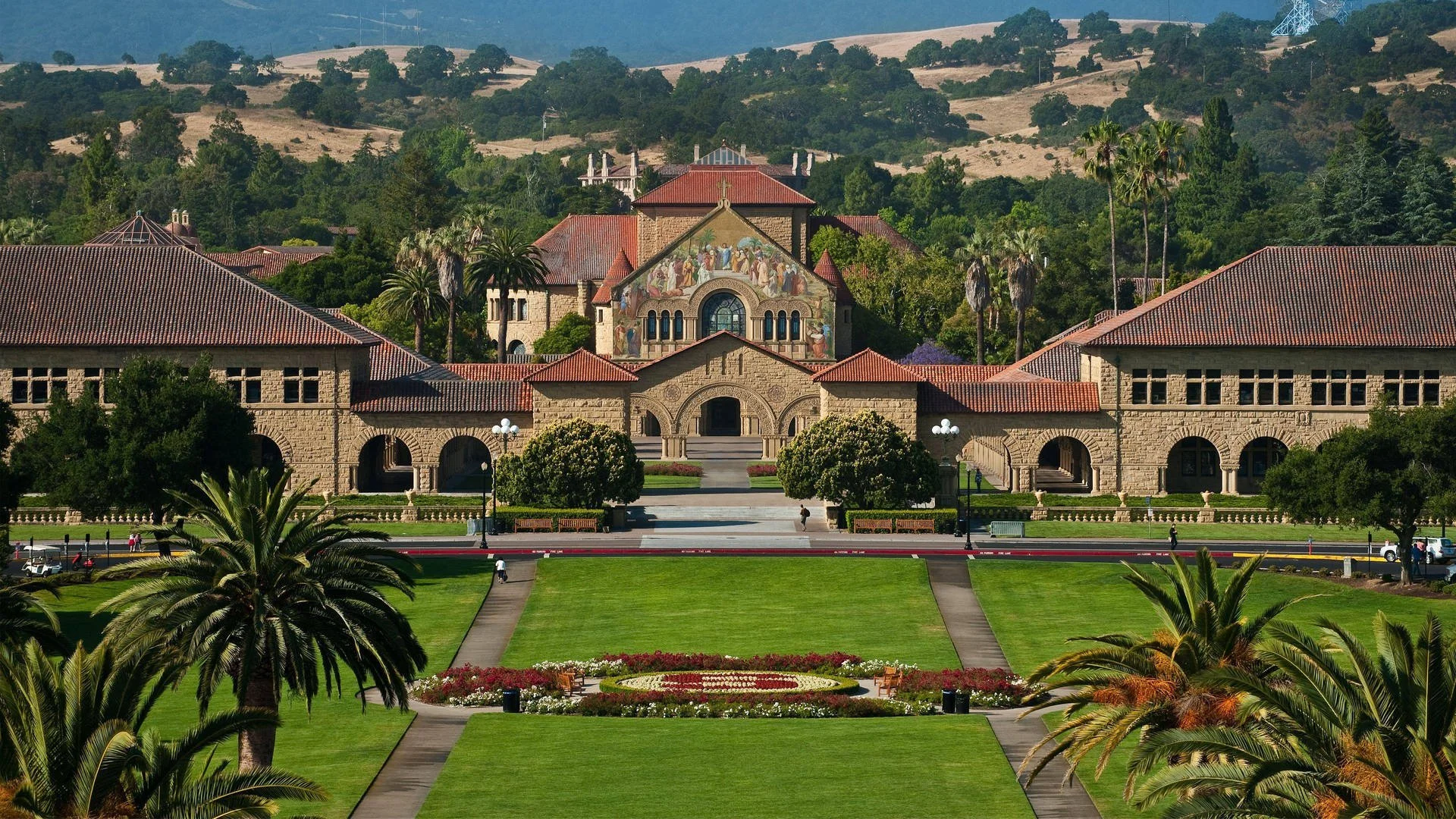
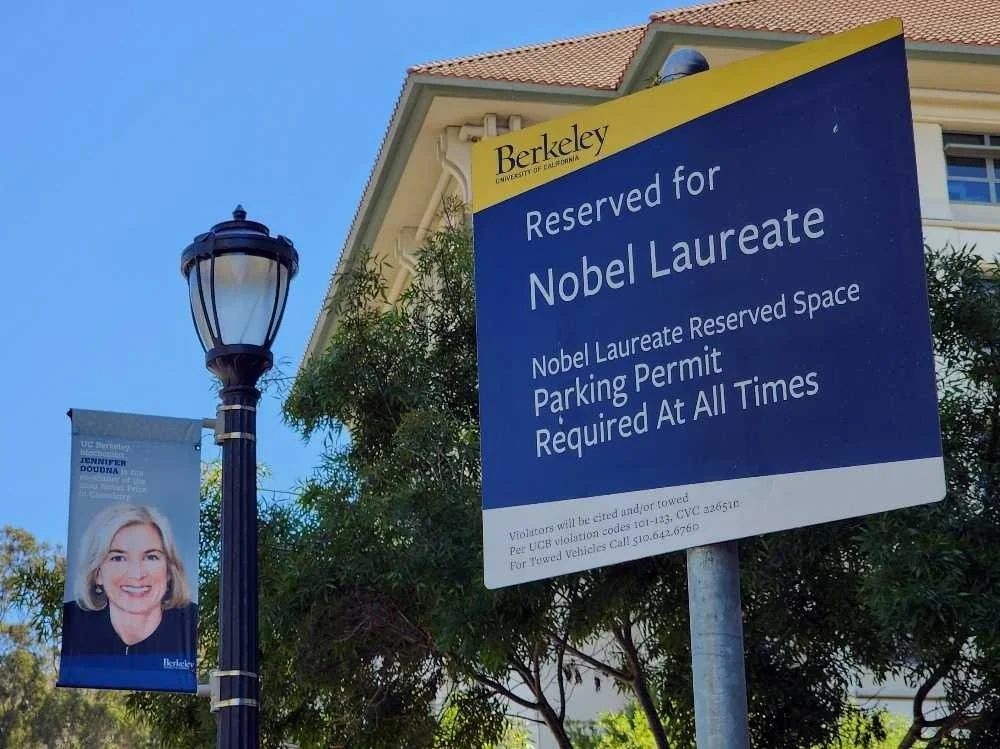
California’s educational system is one of the foundations of its power. This chapter surveys the UC and CSU systems, community colleges, and private institutions such as Stanford, Caltech, and USC, which together educate millions and fuel innovation across the state. Their global research output, workforce development, and Nobel-caliber achievement make California a leader in higher education.
-
![]()
Healthcare Superpower
California’s strength also rests on its vast healthcare system. This chapter explores how the state serves the nation’s largest Medicaid population and invests in care for low-income residents, immigrants, and the unhoused through public hospitals, clinics, and local programs. In doing so, California treats healthcare not only as a social good, but as a foundation of economic productivity and social stability.
-
![]()
Agricultural Superpower
California is an agricultural giant whose farms help feed the nation and supply global markets. This chapter highlights the state’s crop diversity, the economic importance of products such as almonds, and the research leadership of institutions like UC Davis. It presents California agriculture as both a powerhouse of production and a testing ground for sustainability and innovation.
-
![]()
Energy Superpower
California is an energy superpower with all the promise and all the friction that entails. This chapter treats the state as a bundle of current arguments: solar abundance, battery storage, falling gas use in the power sector, stubbornly high prices, refinery strain, and the constant struggle to balance reliability with decarbonization. California is where the energy transition looks most real, and where its tradeoffs are hardest to ignore.
-
![]()
Demographic Superpower
California’s diversity is one of its greatest strengths. This chapter explores how the state’s large, multiethnic population contributes to its political power, economic dynamism, and cultural creativity. By focusing on Latino growth, immigration, and shifting social trends, it argues that California’s demographic complexity is not a challenge to its power, but a key source of it.